


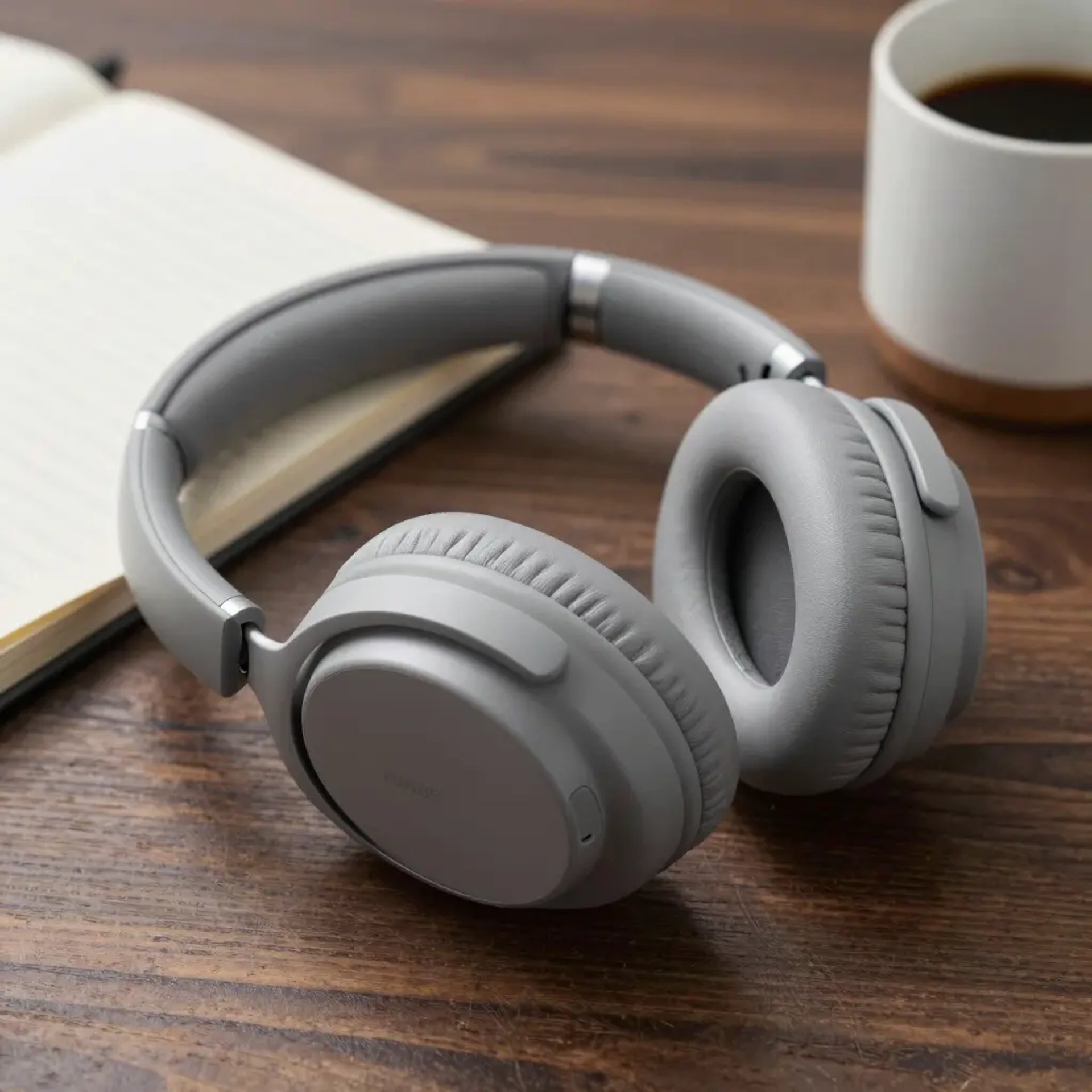
Noise-Canceling Headphones: Real-World Testing Beyond the Specs
Check out the soundproofing performance of buses and offices to find out which models truly deliver quiet without distorting the sound.
PERSONAL GADGETS
When manufacturers promise absolute noise isolation, they rarely explain how this technology handles low-frequency everyday noises. Evaluate the actual noise reduction on public transportation and in noisy work environments, as well as the impact of equalization on sound quality. The results show that high numbers in the specifications don't always mean peace and quiet for your ears.
The Difference Between Sound Attenuation and Frequency Cancellation
Active noise cancellation works by emitting inverted sound waves to cancel out continuous noises such as an airplane engine or the hum of an air conditioner. However, high-pitched voices and sudden pops still depend on the physical seal created by the earbuds against your ears. If the ergonomic fit fails, even the most advanced chip on the market won't be able to compensate for external sound.
The Science Behind Why It Works This Way
That's not just a theory — it's basic acoustics. The headphones generate a sound wave that's the exact mirror opposite of the noise coming in, so the two waves cancel each other out — a principle called "destructive interference." That's exactly why it's so good at muting the steady drone of a bus engine, but was never built to erase every kind of sound.
Ear Pressure and Thermal Comfort
Many users feel a slight sensation of vacuum when they activate maximum noise isolation, which can cause fatigue after two consecutive hours of use. In addition, ear cushions covered in non-breathable synthetic material heat up quickly on hot days. Considering the build quality of the headphones is just as crucial as evaluating the speaker's frequency response.
When Is It Worth Paying More for the Feature
If your main goal is to focus on working in busy environments, investing in mid-range models with a good fit usually offers the best value. Setting aside a budget for top-of-the-line models only makes sense for those who travel frequently or require impeccable audio fidelity. Always check the product's price history before making a choice.
What Real-World Testing Confirmed
That exact gap between marketing and everyday listening is what a team of hearing researchers set out to measure. Instead of testing headphones in a silent lab, they used a manikin fitted with ear-canal microphones and exposed it to recorded bus and café environments — the same kind of noisy, everyday settings this article is about. Their results confirmed that noise cancellation clearly reduces sound pressure levels in these real environments, but its effect isn't identical across every kind of sound — which lines up with what the theory predicts: continuous, low-frequency noise responds very differently to cancellation than the sudden, higher-pitched sounds that fill a bus or an office.