


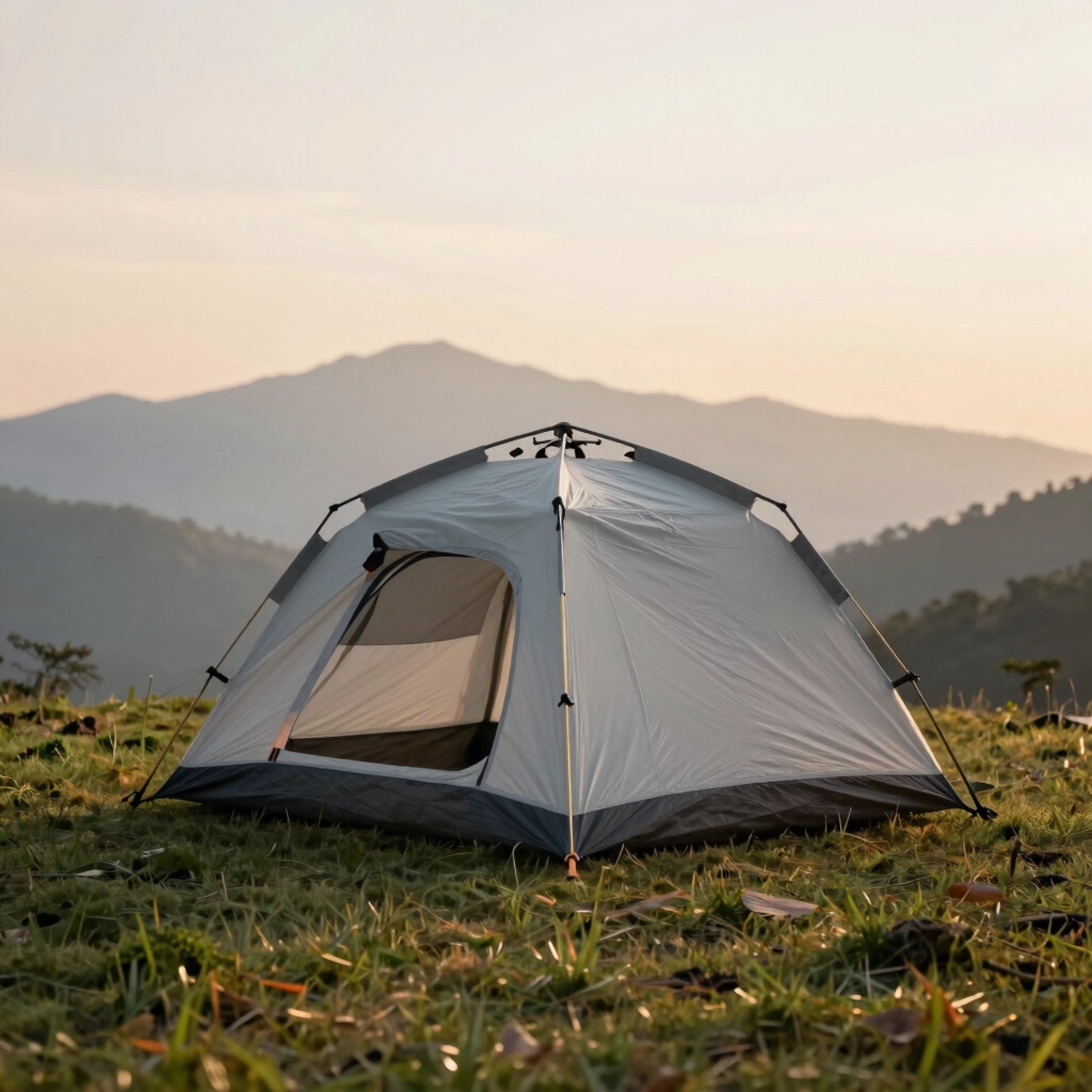
Quick-setup tents: convenience versus wind resistance
Check out the analysis of the internal structure and rain resistance of automatic models to see if they can withstand real-world camping conditions.
CAMPING/TRAVEL
The promise of setting up a shelter in less than two minutes appeals to both novice and experienced campers looking for convenience. Let’s see if the convenience of quick-setup structures for the beach and the mountains compromises safety in strong winds. The results show that not every automatic model meets the requirements of backcountry camping.
The Behavior of Articulated Rods Under Gusts
The pre-installed fiberglass poles have hinge points that make them easier to open, but these same connectors are more vulnerable to severe twisting. In gusts exceeding thirty kilometers per hour, the structure flexes more than traditional tents with aluminum crossbars. Properly securing the stakes and tightening all the guy lines is essential to prevent damage to the frame.
Waterproofing and Sealing of Sealed Seams
The water column rating listed on the label indicates the fabric's water resistance, but rainwater often seeps in through the zippers and floor seams. In our test under prolonged heavy rain, models with a full rain fly kept the interior dry, while those with a partial rain fly allowed moisture to accumulate on the walls. Check to see if the seams have heat-sealed tape before trusting the product.
Choosing the Right Gear for Your Destination
For organized camping trips at campgrounds with good facilities and mild weather, the pop-up tent performs admirably and saves precious time. If your route involves remote treks or frequent exposure to inclement weather, the classic model with tubular poles is still the most reliable option. Consider the total weight and packed size in the trunk before purchasing.